
The Bulova Stetson Fund supports diverse organizations who uplift, educate, and forge a path for all Americans.
OUR LEGACY
The Foundation has contributed to over 150 organizations whose work reflects John B. Stetson’s deeply held values, his determination, and commitment to progress.
The Bulova Stetson Fund seeks to provide better opportunities for all Americans. We strive to make a difference in education, the arts, accessibility, and veterans’ initiatives.
155 years ago
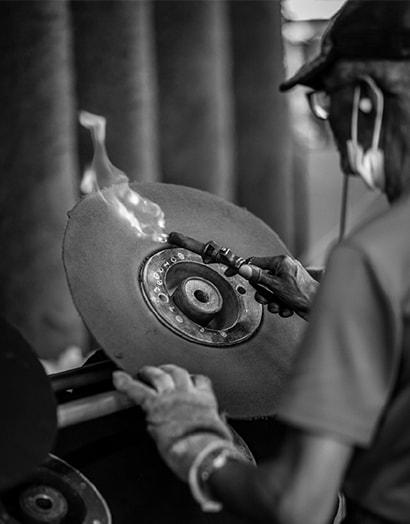
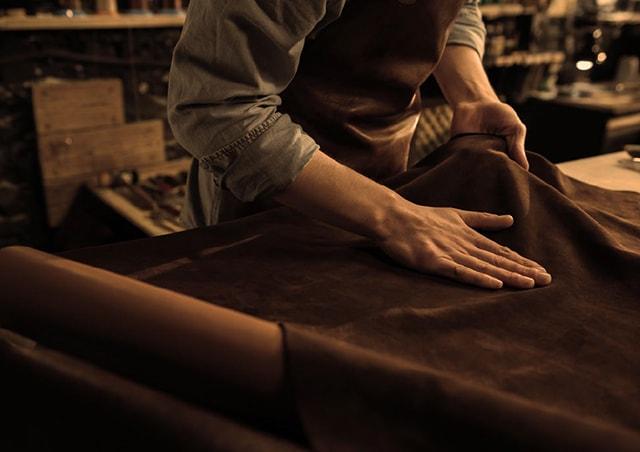
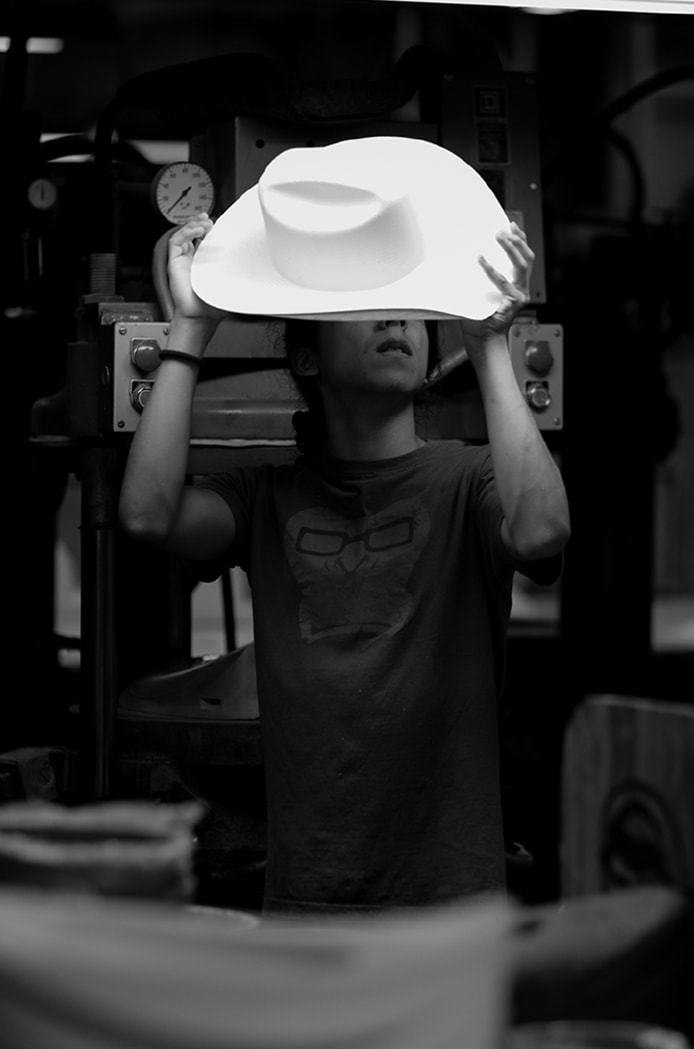
John B. Stetson’s devotion to his craft was matched only by the strength of his values.
Since the inception of the John B. Stetson Hat Company one hundred fifty five years ago, he provided care, shelter, and education to his employees.
“The better the workman, the better the work.”
1,500
employees
One thousand five hundred employees ate at four cafeterias with food provided by the company.
28,000
shares
In 1880, twenty-eight thousand shares of stock were given to employees as an investment in their good-will and health.
FOUNDATION INITIATIVES
The John B. Stetson Company has always supported their Community.
This legacy is actively continued by the Bulova Stetson Fund.
VETERANS’ INITIATIVES
The Bulova Stetson Foundation is grounded in John B. Stetson’s deep sense of patriotism and is proud to work alongside many returning veterans as they secure their path to the future.
We invest in the Veterans Watchmaker Initiative, the only technical school devoted to disabled veterans in the United States, and Bunker Labs, an organization that empowers veterans by supporting military-connected entrepreneurs and small business owners.
2900 Jobs

2900 Jobs
Bunker Labs provides tools and resources to veteran-run businesses while facilitating a member-led network of entrepreneurs.
The start-ups they create provide almost 3,000 new jobs.

EDUCATION
Inspired by John B. Stetson’s belief in the power of education, we continue to invest in students across America of all levels and backgrounds.
Alongside our significant connection to Stetson University, we provide endowments for Brown University, MIT, and Tisch School of the Arts at New York University.
1889
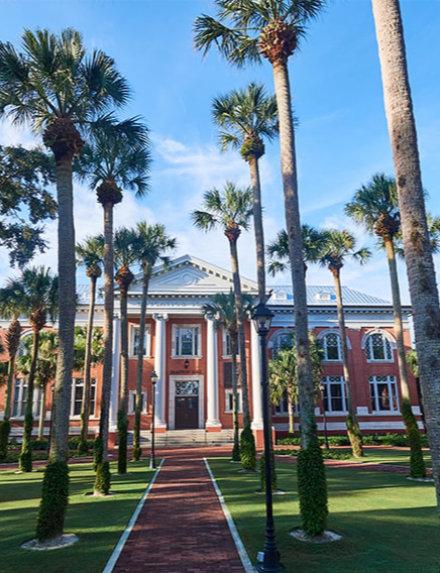
Stetson University was originally founded as DeLand Academy. Its name was changed in 1889 to honor the well-known hat manufacturer who gave both his time and means to the institution.

THE ARTS
From the iconic cowboy of the American West, to the actors that portrayed them, to jazz musicians and artists, American arts and culture has embraced Stetson.
The Bulova Stetson Foundation reciprocates with investments in arts programs such as Education Through Music-Los Angeles, Theatre for a New Audience, the Abrons Arts Center, Manhattan Theatre Company, and Roundabout Theatre Company.
1,000,000 students
A vibrant and reeling live theater community benefits from the efforts of the Roundabout Theatre Company. Alongside the Department of Education, they’re ensuring the future of theatre by bringing theatre arts education to over one million students online.
ACCESSIBILITY
Born from dedication to veterans’ initiatives, the Fund is committed to equal accessibility for all.
We view accessibility in diverse ways, encompassing access to basic needs, health and wellness, justice, and civil rights.
We invest in the Achilles International Club, Friends of Green Chimneys, Happiness is Camping, the Grand Teton National Park Foundation, as well as the Innocence Project.
375 People Freed
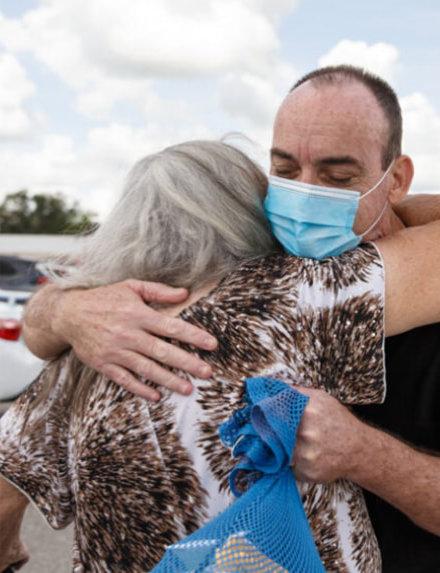

We extend our support to the Innocence Project, an organization that advocates for reforms that help prevent and address wrongful conviction.
Three hundred fifty seven people in the United States have been exonerated after they’ve been wrongfully convicted in a court of law.

OUR FOUNDERS
The legacy of two iconic families join forces to become the Bulova Stetson Fund.
In 1930, the Bulova and Stetson families merged paths with the marriage of Louise Bulova and Ira Guilden, later President of the Stetson Hat Company. After the Joseph Bulova School of Watchmaking closed its doors, the family wanted to continue the spirit and dedication of offering disabled veterans a tuition-free means of rehabilitation and dedicated job placement. The Louise & Arde Bulova Fund was born and now continues its legacy as the Bulova Stetson Fund.
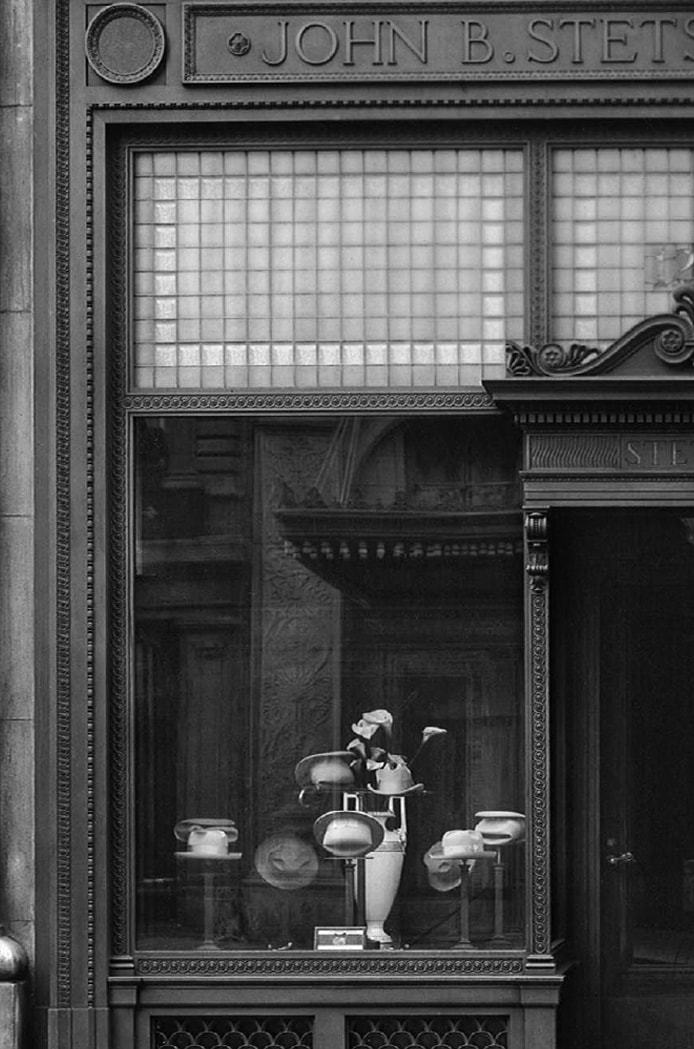
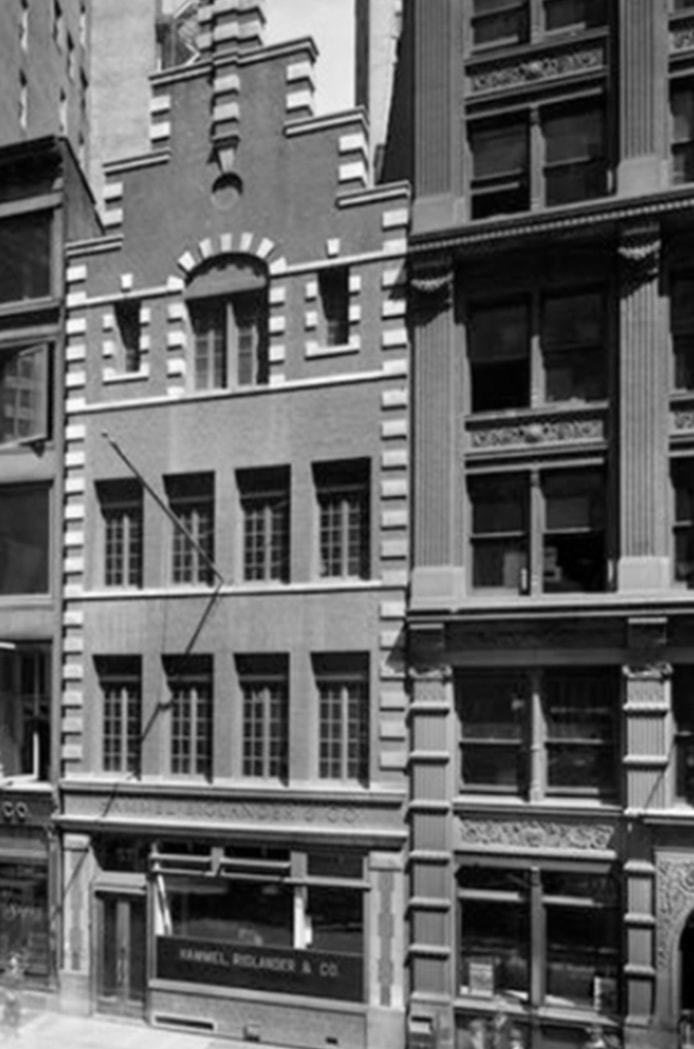
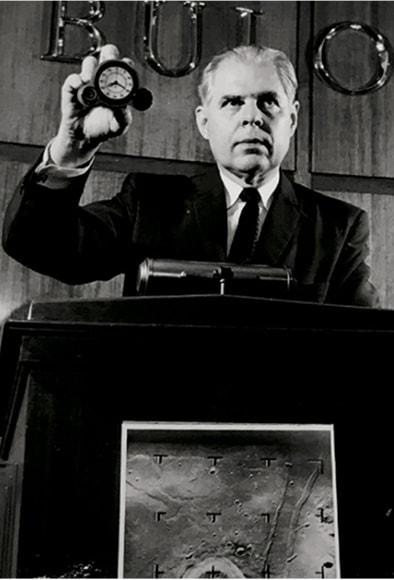
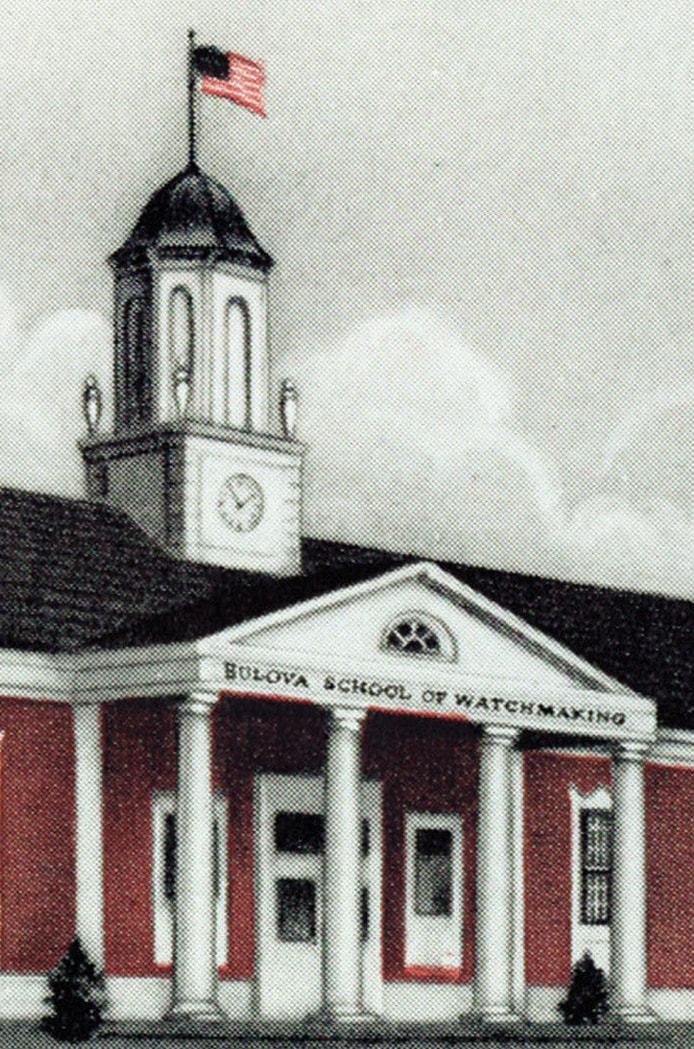
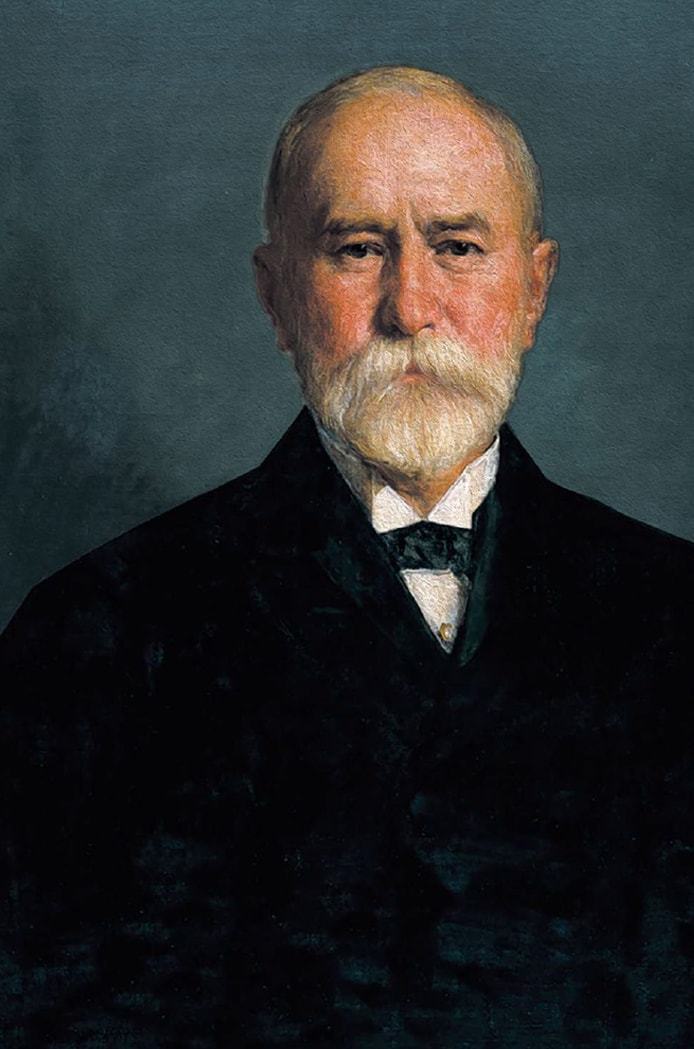
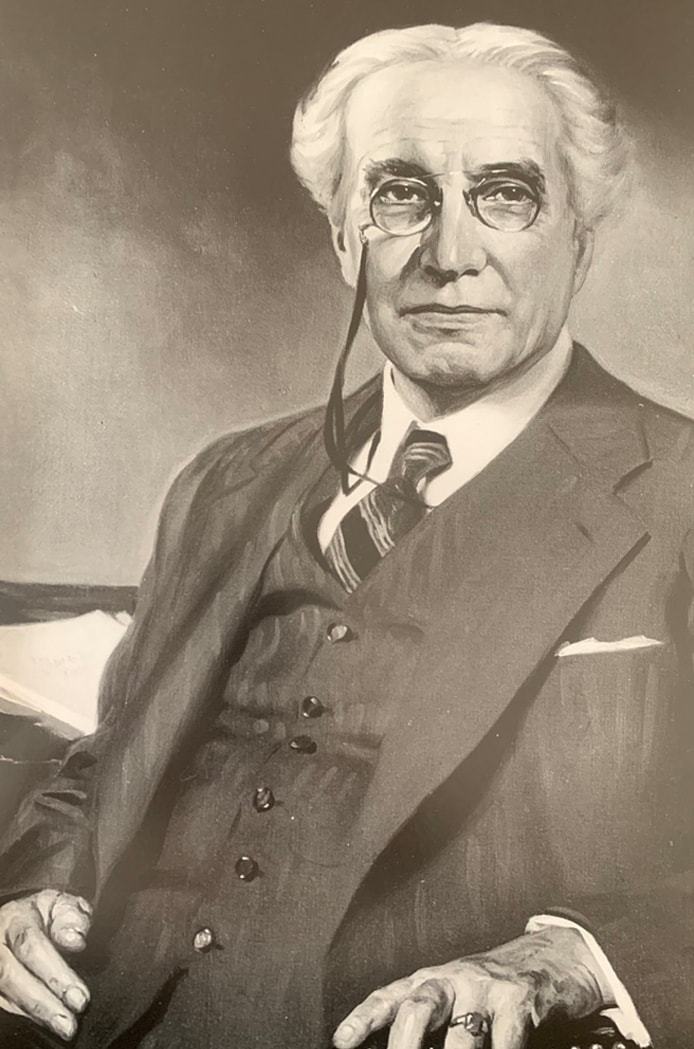
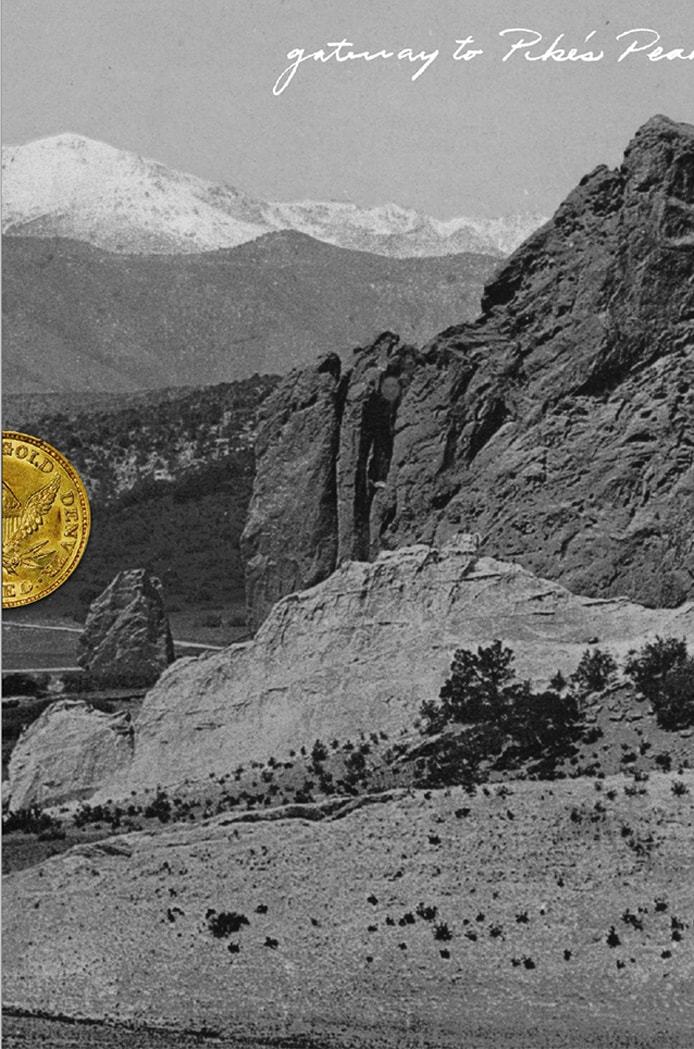
1865, John Batterson Stetson has returned from his travels west to open his own storefront in Philadelphia, PA.
In 1930 the Bulova and Stetson families merged paths with the marriage of Louise Bulova and Ira Guilden, later President of the Stetson Hat Company.


1865, John Batterson Stetson has returned from his travels west to open his own storefront in Philadelphia, PA.
1875, Joseph Bulova opens a small jewelry shop on Maiden Lane in downtown New York City.
1875, Joseph Bulova opens a small jewelry shop on Maiden Lane in downtown New York City.
After the Joseph Bulova School of Watchmaking closed its doors, the family wanted to continue the spirit and dedication of offering disabled veterans a tuition-free means of rehabilitation and dedicated job placement. The Louise & Arde Bulova Fund was born and now continues its legacy as the Bulova Stetson Fund.


Dedicated to craftsmanship and innovation, Joseph Bulova and John B. Stetson both set new standards for society and entrepreneurship.
They shared a sense of patriotism, determination, and dedication to progress, as well as a strong belief in raising up their fellow man that inspires the Fund to keep fighting for good for all Americans.
They shared a sense of patriotism, determination, and dedication to progress, as well as a strong belief in raising up their fellow man that inspires the Fund to keep fighting for good for all Americans.